
I felt as though it was time to start experimenting with mixed media textiles, as that is what my final piece will be using.
A few weeks ago, I dissected an ox’s heart and after I’d finished, I placed it in a dish, so when I lifted it out, it had created a blood imprint that resembled the shape of a heart. I thought this was better than the actual heart I dissected, which had all the arteries cut off.
 I added to it this print, which I will talk about later.
I was initially intrigued by the chordae tendineae, aka the heartstrings. While the blood is pumping, these ‘strings’ are vital in holding the atrioventricular valves in place.
As soon as I say the word heartstrings, it immediately conjures up the expression ‘tugging/pulling on your heartstrings’. I decided to look into any conditions associated with them and the emotions that they evoke.
What I found was a heart condition nicknamed ‘broken heart syndrome’ (Takotsubo cardiomyopathy), which mimics the symptoms of a heart attack. It’s mainly caused by intense sudden emotional stress, which leads to the weakening of the heart muscle and causes it to balloon, like the Japanese vase used to catch octopus, it’s named after.
The malfunction is only temporary and doesn’t usually lead to any permanent damage, although the condition itself is very rare.
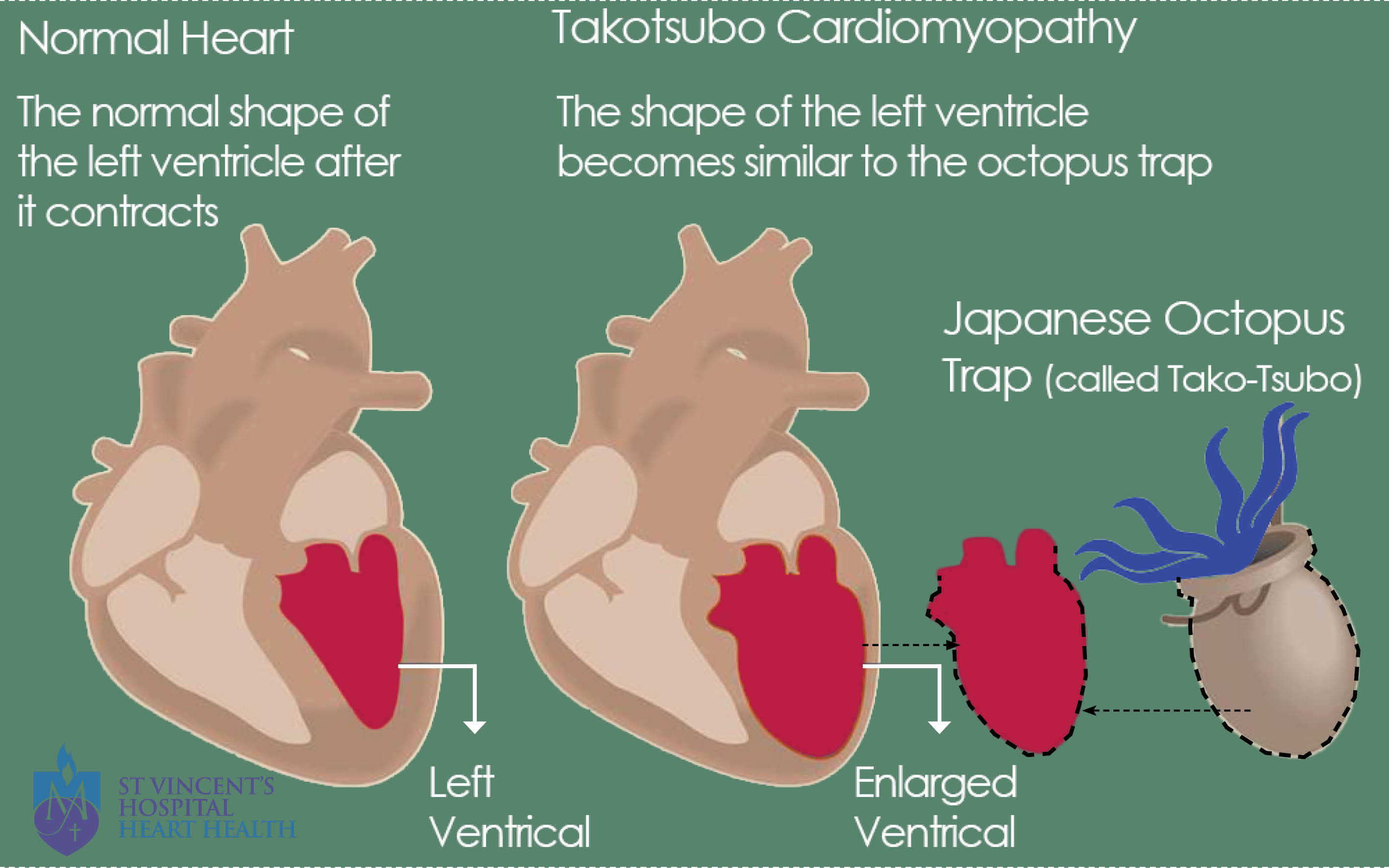
I thought about how I could apply this to my work and decided to use the balloon as a starting idea, that is the physical malfunction after-all. Using balloons themselves would be too difficult as they aren’t malleable enough, so I thought about what reverses the shape of the balloon; pins. The actual treatment for this is medication to reduce stress and eventually your heart will return to its normal shape.
This led me to use Peta Clancy as an inspiration for the pin technique.

I was fascinated the first time I saw this, as I love how the use of a simple technique can create a texture that really adds a 3D depth to a 2D object. Even though I wasn’t using this technique to create texture, I perhaps may use that idea during my sampling process.

I didn’t choose a particular pattern to use the pin technique in because the idea is more symbolic as to what I’m representing regarding reversing the ballooning malfunction.
This study was made using the leftover paper used to sublimate the picture of the heart imprint. I said earlier that I wanted to begin more mixed media pieces which is why I wanted to use sublimated fabric.
This study was more for me to experiment with different materials that I don’t usually work with, to give me ideas for creating textile samples later on that explore function.
I was inspired by Dan Beckemeyer to use felt, as the material is strong yet easily pulled apart to create a fragile surface that looks like the texture of muscles.

I found when creating this that it was a very difficult and tedious task to get the felt to stay in place, which is why I was inspired by Leisa Rich’s pockets to contain the study inside it.
I added the stitches to add to the medicinal ambiance it provides since adding the clear pocket. All of these could link in with heart surgery (a way of correcting malfunctions) with the clinical vibes of the clear pocket and stitches used to hold it together.
 Viktoria Collins UAL FMP